

Registering a car in California is a straightforward process, but understanding the requirements is crucial. This guide will walk you through the steps, ensuring a smooth experience. From gathering essential documents to collaborating with the DMV and VIN verifier, we’ll cover it all. Learn how to register your vehicle properly and legally in the Golden State. By following these steps, you’ll be on the road faster than you think.
- Understanding the California Vehicle Registration Process
- Gathering Necessary Documents for Car Registration
- The Role of the DMV and VIN Verifier in California
- Steps to Register a Car with a Valid VIN Verification
- Post-Registration: Important Considerations and Next Steps
Understanding the California Vehicle Registration Process

Understanding the California Vehicle Registration Process
In California, registering a car involves several steps that ensure compliance with state laws and regulations. The process is overseen by the Department of Motor Vehicles (DMV), which requires essential documents and information from the vehicle owner. One critical component of this process is the verification of the Vehicle Identification Number (VIN). Using a DMV VIN verifier or a mobile vin verifier, owners can confirm that their vehicle’s details match the information on record, ensuring accuracy in registration.
A vin inspection is an integral part of this verification process. This step helps to prevent fraud and ensures that all vehicles on California roads are safe and legal. Whether it’s through an online VIN lookup or a mobile vin inspection, owners should ensure their vehicle’s history is clean before proceeding with registration. This includes checking for any outstanding recalls, previous accidents, or title issues, which could delay the registration process.
Gathering Necessary Documents for Car Registration
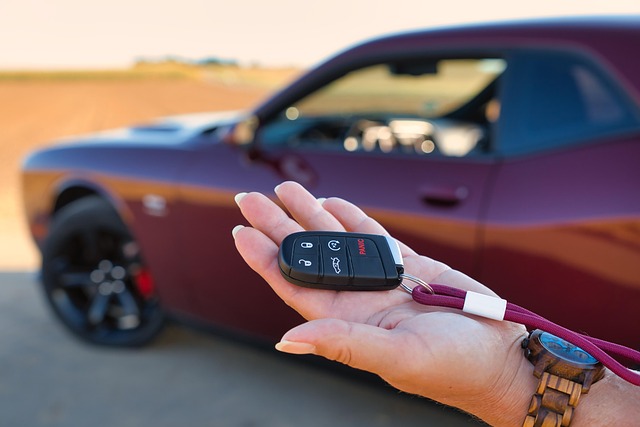
Before heading to the California Department of Motor Vehicles (DMV) to register your car, ensure you have all the essential documents in order. The process typically requires proof of identity, ownership, and vehicle condition. Start by gathering important papers such as your driver’s license or state-issued ID, proof of residency, and the title or registration from the previous owner. Additionally, a DMV vin verifier is crucial for verifying the vehicle identification number (VIN) to ensure the car’s history is clean and free from any red flags.
For added convenience, consider using a mobile vin verifier application that allows you to perform a vin inspection right from your smartphone. This step ensures that the vehicle hasn’t been reported stolen or has outstanding issues, making the registration process smoother. Make sure all documents are up-to-date and accurate to avoid any delays when registering your car with the DMV.
The Role of the DMV and VIN Verifier in California

In California, the Department of Motor Vehicles (DMV) plays a pivotal role in ensuring road safety and vehicle registration compliance. One crucial aspect of this process is the verification of a Vehicle Identification Number (VIN). The DMV relies on specialized entities known as VIN Verifiers to perform this critical task. These verifiers conduct thorough inspections, including checking for any reported accidents or outstanding issues, using advanced technology to cross-reference the provided VIN with state and national databases.
The process starts when an individual initiates car registration, often through a simple online form or in-person at a local DMV office. Following submission, a request is made for a mobile vin verification or inspection, where an authorized agent will physically inspect the vehicle to validate its authenticity and condition. This step is essential to prevent fraud, ensure safety standards, and maintain accurate records within California’s vast automotive landscape.
Steps to Register a Car with a Valid VIN Verification

To register your car in California with a valid VIN (Vehicle Identification Number) verification, follow these steps. First, gather all necessary documents, including your vehicle’s registration certificate from the previous state, proof of insurance, and a completed DMV Form reg-157 (Application for Title and Registration). Next, visit a California Department of Motor Vehicles (DMV) field office or use their online services to initiate the process.
Once at the DMV, you’ll need to conduct a VIN inspection using a trusted dmv vin verifier. This step ensures the accuracy of your vehicle’s information. You can opt for a traditional in-person inspection or a mobile vin verification service, which allows a licensed inspector to come to you. After successful verification, proceed with filling out the application form and submitting the required fees. Remember, accurate VIN data is crucial for a seamless registration process.
Post-Registration: Important Considerations and Next Steps

After successfully registering your car with the California DMV (Department of Motor Vehicles), there are several important considerations and next steps to ensure a smooth ownership experience. One crucial aspect is understanding the post-registration process, which includes verifying the vehicle’s unique identifier—the Vehicle Identification Number (VIN).
Utilize a reliable DMV VIN verifier or consider mobile VIN inspection services to cross-reference the information with the manufacturer’s records. This step is essential for ensuring the vehicle’s history aligns with what was declared during registration. Additionally, it helps protect you from potential fraud or undisclosed issues that might affect your safety and insurance claims. Remember, staying proactive in these matters can save you time, money, and future headaches.
Registering a car in California involves understanding the state’s process, gathering essential documents, and engaging the DMV and a VIN verifier. By following these steps, from preparation to post-registration tasks, you ensure your vehicle complies with legal requirements. Remember to keep your registration up-to-date and informed about any necessary updates or changes to maintain a smooth driving experience in the Golden State.