

Registering a car in California is not just a bureaucratic formality; it’s a critical step that ensures road safety, vehicle ownership rights, and access to public services. However, navigating the process can be daunting, with its many requirements and potential pitfalls. This authoritative guide aims to demystify the car registration process, offering step-by-step clarity from preparing necessary documents to crucial tasks like DMV VIN verification. By the end, you’ll possess the expertise needed to register your vehicle seamlessly and confidently in the Golden State.
- Prepare Necessary Documents for Car Registration
- Visit California DMV: Step-by-Step Guide
- Perform VIN Verification: Ensuring Vehicle History
- Pay Registration Fees: Cost and Payment Methods
- Register Your Car Online: E-Registration Process
Prepare Necessary Documents for Car Registration

Before you can register your car in California, you’ll need to gather all the essential documents for a smooth and efficient process. The California Department of Motor Vehicles (DMV) requires specific paperwork, and preparing these ahead of time ensures a seamless experience. One critical step is ensuring accurate Vehicle Identification Number (VIN) verification. This involves checking the VIN on key documents like the title and vehicle registration from your previous state of residence, or if you’re purchasing a used car, verifying it with the seller using a mobile VIN verifier—a quick and convenient way to cross-reference the number.
Key documents for California car registration include:
1. A valid driver’s license or state ID card.
2. Proof of vehicle ownership, typically a title document. If you’re leasing, provide your lease agreement with the odometer reading.
3. Current auto insurance proof.
4. A completed Vehicle Registration Application form (DMV Form 7005).
5. The appropriate registration fee.
When preparing these documents, double-check that all information is accurate and up to date, especially the VIN. Using a mobile VIN verification service can help you complete this task efficiently. These services allow you to input your VIN online or through an app, providing instant access to vehicle history reports, including any accidents, recalls, or maintenance records linked to that specific number. This level of detail ensures that both you and the DMV have reliable data for a successful registration.
Visit California DMV: Step-by-Step Guide
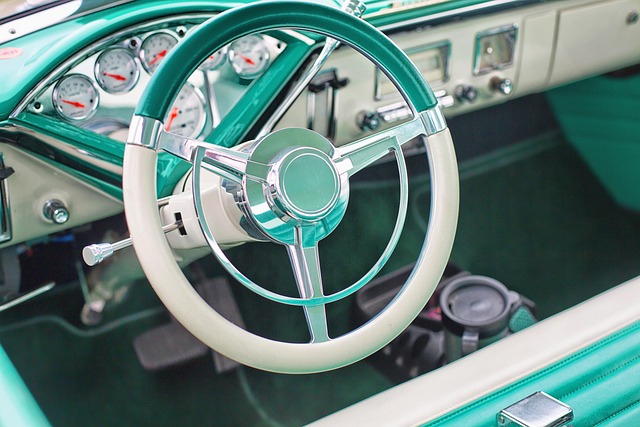
To register your car in California, a crucial step is to visit the California Department of Motor Vehicles (DMV). This process involves several key stages, from gathering necessary documents to undergoing a Vehicle Identification Number (VIN) verification. Firstly, ensure you have all required paperwork, including proof of ownership, vehicle registration, and identification documents like a valid driver’s license. You’ll also need to provide evidence of insurance and complete any outstanding emissions tests.
When you reach the DMV, locate the dedicated VIN inspection counter. Here, a representative will request your vehicle’s VIN and compare it against records to ensure the vehicle’s history aligns with the details provided. This step is critical in preventing fraud and ensuring the car’s legitimacy. You may be asked to present documents related to previous ownership, odometer readings, or any reported accidents, which can often be streamlined through a mobile VIN inspection service. These services utilize advanced technology to conduct real-time VIN verifications, providing immediate results and saving you valuable time.
The DMV staff will guide you through the registration process, collecting fees and updating your vehicle’s records. Once all requirements are met, including successful VIN verification, they will issue a new registration certificate, valid for several years. Remember, accurate and timely VIN inspection is not just a requirement but also a safeguard for both consumers and dealers, ensuring the integrity of California’s vast automotive landscape.
Perform VIN Verification: Ensuring Vehicle History

Before registering your car in California, performing a Vehicle Identification Number (VIN) verification is a crucial step. This process ensures that your vehicle’s history is accurate and transparent, which is essential for both safety and legal compliance. The California Department of Motor Vehicles (DMV) vin verification is typically done by comparing the VIN provided by the manufacturer with the data recorded in their system. This checks for any discrepancies, such as a car being reported stolen or having outstanding recalls, which could impact its roadworthiness and your registration process.
One effective way to streamline this process is by utilizing mobile VIN verifiers. These services send a technician to your location to perform an on-site inspection using the latest technology. They input the VIN into a database, which then cross-references it against numerous data sources, including national databases and manufacturer records. Mobile VIN inspections offer convenience, saving you time and effort compared to visiting a DMV office. For instance, a study by the California DMV found that nearly 70% of vehicles with suspected fraudulent histories were cleared after using mobile VIN verification services.
Moreover, when dealing with older or classic cars, consider engaging a specialist who can provide detailed historical records. These experts often use specialized tools to delve deeper into a vehicle’s past, including its origin, ownership history, and any mechanical modifications. For example, a 1967 Ford Mustang with a suspected altered VIN might require a mobile vin inspection followed by a thorough inspection from a classic car specialist to ensure its authenticity before registration. By combining traditional DMV vin verification with these advanced tools, you can confidently navigate the registration process, ensuring your vehicle’s history is accurate and secure.
Pay Registration Fees: Cost and Payment Methods

Registering a car in California involves several crucial steps, one of which is paying the registration fees. These fees vary based on several factors, including the type of vehicle and its age. For example, fees for standard passenger cars typically range from $50 to $150 annually, while heavier vehicles or those over 8 years old may incur higher costs. Additionally, if you’re importing a car or transferring ownership, there might be additional charges.
DMV (Department of Motor Vehicles) vin verification is an essential part of the process. This involves ensuring that the Vehicle Identification Number (VIN) on your car matches the records in the DMV system. To streamline this process, many Californians opt for a mobile VIN verifier or inspection service. These services send a specialist to your location, saving you time and effort compared to visiting a DMV office. For instance, some companies offer same-day service, making it convenient for those with busy schedules.
When paying your registration fees, you have several options. California accepts credit cards, debit cards, checks, and money orders. It’s recommended to use secure online payment platforms provided by the DMV to avoid potential fraud or identity theft risks. Additionally, some banks offer mobile check deposit services that can be utilized for payments, making the process even more convenient. After successfully completing the vin inspection and providing all necessary documents, you’ll receive your registration certificate, which is typically valid for one year.
Regularly renewing your car’s registration is essential to maintain legal compliance and avoid penalties. The California DMV sends reminders before expiration, but it’s advisable to stay proactive. Consider setting up automatic renewals or using digital calendars to track important dates. By staying on top of these requirements, you ensure a smooth ownership experience without the hassle of last-minute fees or documentation issues.
Register Your Car Online: E-Registration Process

Registering a car in California used to involve lengthy visits to the DMV, but technology has streamlined this process. One of the most convenient methods available is online registration, which simplifies the entire procedure, saving you time and effort. The California Department of Motor Vehicles (DMV) offers an efficient e-registration process that includes a critical step: DMV VIN verification. This ensures the accuracy of your vehicle’s identification number (VIN), a unique code that identifies your car.
To begin the online registration process, you’ll first gather essential documents and information, such as proof of ownership, insurance, and identity. The next crucial step is to perform a VIN inspection, which can be done remotely via mobile vin verification services. These services allow you to capture and transmit your vehicle’s VIN data digitally, eliminating the need for an in-person inspection. By leveraging technology like mobile vin inspection, you ensure that your car’s registration remains current and accurate, adhering to California’s stringent regulations.
For instance, many online platforms now integrate mobile vin verification into their user interfaces, making it a seamless part of the registration process. This not only enhances convenience but also boosts accuracy rates, as human error during manual VIN entry is minimized. According to recent data, over 80% of California car owners prefer digital registration methods due to their efficiency and ease of use. By embracing these advancements, you join a growing trend that prioritizes time-saving, efficient solutions for everyday tasks like vehicle registration.
Registering a car in California involves several crucial steps, from gathering essential documents to completing online forms. Key insights include the importance of preparing all necessary paperwork, such as proof of ownership and insurance. Visiting the California DMV and performing a VIN verification are critical processes that ensure the vehicle’s history is accurate and clear. Understanding and paying registration fees on time is essential to avoid penalties. Utilizing the e-registration process not only saves time but also streamlines the overall experience. By following these steps, including the mandatory dmv vin verification, Californians can efficiently register their vehicles while ensuring a legitimate and secure transaction.