

Registering a car in California is a crucial step for any new owner, ensuring legal compliance and facilitating seamless use on public roads. However, navigating the process can be daunting due to its complexity and the sheer volume of paperwork involved. This comprehensive guide aims to demystify the entire procedure, offering clear, concise instructions from start to finish. We’ll delve into every critical step, including the essential DMV VIN verification, to ensure you have a stress-free and successful car registration experience in The Golden State.
- Prepare Required Documents for Car Registration
- Visit California DMV: Step-by-Step Guide
- Understand Fees and Taxes for Vehicle Registration
- Conduct a DMV VIN Verification for Accuracy
- Maintain Your Registered Vehicle: Key Steps
Prepare Required Documents for Car Registration

To register your car in California, preparing the requisite documents is a crucial first step. You’ll need several key pieces of information and forms, ensuring everything is in order before you visit the California Department of Motor Vehicles (DMV). This involves gathering important vehicle details, ownership proof, and identification documents. One essential task is to obtain a Vehicle Identification Number (VIN) verification, which can be done efficiently with a mobile VIN verifier or through a mobile VIN inspection service. These methods provide a convenient way to ensure your car’s VIN is accurate and accessible, a critical component of the registration process.
A mobile VIN verifier or inspector can swiftly validate your vehicle’s identity by cross-referencing its unique 17-character VIN with state databases. This digital tool offers precision and speed, allowing you to address any discrepancies early on. For instance, some services provide instant reports detailing the vehicle’s history, which can be invaluable in identifying potential issues or previous owners. It’s advisable to use reputable, certified mobile VIN verification services for accuracy and peace of mind.
By combining the necessary documents—including a valid driver’s license, proof of insurance, and vehicle title—with a correctly performed mobile VIN inspection, you’ll be well-prepared to streamline the car registration process at the DMV. This proactive approach ensures that any potential hurdles are identified and resolved before you reach the counter, making your registration experience smoother and more efficient.
Visit California DMV: Step-by-Step Guide

Registering a car in California involves several steps, and one of the most crucial is visiting the California Department of Motor Vehicles (DMV). This process ensures that your vehicle meets safety standards and legal requirements for operation within the state. Here’s a step-by-step guide to help you navigate this essential task.
First, gather all necessary documents. These typically include proof of identification (such as a valid driver’s license), proof of residency, and the vehicle’s title or registration from the previous state. If you’re importing a car, you may need additional paperwork like an Import Declaration and a Bill of Sale. Once prepared, visit your local DMV office or consider using their online services for some processes, including dmv vin verification. The Vehicle Identification Number (VIN) is a critical component in this process, as it uniquely identifies your vehicle and aids in the verification procedure. You can utilize mobile vin inspection tools to streamline this step, ensuring accuracy and saving time.
When you arrive at the DMV, locate the appropriate counter for registration. An agent will guide you through the process, which involves completing a Form DV-140 (Application for Title and Registration). Here, you’ll provide details about your vehicle, including its make, model, year, and VIN. It’s crucial to ensure the VIN is accurate; any errors could delay your registration. In some cases, mobile vin verifiers can help on-site, enabling a swift and precise verification process. This step is vital for tracking vehicle history and ensuring compliance with California’s regulations. After submitting your application, you may be required to pass an emission test or inspection, depending on your vehicle’s age and type.
Successfully completing these steps will result in the issuance of a new registration certificate and license plate. Always double-check the accuracy of all information before leaving the DMV. If any discrepancies are found later, it could lead to issues with future renewals or even legal consequences. For instance, according to recent data, over 50% of registration applications with errors were delayed, emphasizing the importance of meticulous attention to detail during the dmv vin verification process and beyond.
Understand Fees and Taxes for Vehicle Registration

Registering a car in California involves understanding various fees and taxes associated with the process. These costs can vary based on several factors, such as the type of vehicle, its age, and the specific services you choose. One crucial step that many owners overlook is having their Vehicle Identification Number (VIN) verified through a process known as DMV VIN verification. This step ensures the vehicle’s authenticity and history, which is essential for legal registration.
In California, fees typically cover the cost of license plates, title transfer, and registration. There’s also a state fee for registration, ranging from $50 to $250, depending on your vehicle’s classification. For example, luxury vehicles or those with higher emissions might incur higher fees. Additionally, local taxes and surcharges can add up, varying by county. It’s recommended to check with your local DMV or use their online tools for an accurate breakdown. Mobile VIN inspection and verification services are also available, making it convenient for owners who prefer a hassle-free experience.
To stay informed, consider reviewing the California DMV website for the latest fee structures. Another practical step is to compare mobile VIN inspection costs with traditional methods. Some providers offer this service for as little as $20, which can save time and effort. Moreover, understanding these fees in advance helps in budgeting and avoiding surprises during registration. By being proactive about these aspects, California car owners can ensure a smoother registration process.
Conduct a DMV VIN Verification for Accuracy

To ensure the accuracy of your car’s registration process in California, conducting a DMV VIN (Vehicle Identification Number) verification is crucial. This step involves using the unique 17-character code to cross-reference and validate key vehicle details with the Department of Motor Vehicles (DMV). A precise VIN verification not only streamlines the registration but also safeguards against potential errors or fraud, which could lead to legal issues down the line.
Many California residents opt for a mobile VIN inspection or mobile VIN verification service to simplify this process. These services use specialized tools and technology to perform real-time checks with the DMV, comparing your vehicle’s VIN against state records. For instance, a recent study showed that over 95% of clients using mobile VIN verifiers received immediate confirmation of their vehicle’s status, allowing them to proceed with registration smoothly. Mobile VIN verifier apps are particularly handy for those who prefer digital solutions or have busy schedules.
However, it’s essential to choose reputable services offering transparent pricing and reliable data. Check reviews and ensure the provider has established partnerships with local DMVs for seamless integration. For example, some popular mobile VIN verification apps offer additional features like vehicle history reports, helping you make informed decisions before finalizing the registration. By combining a thorough DMV VIN verification with a trusted mobile inspection service, California drivers can confidently navigate the car registration process, ensuring accuracy and saving valuable time.
Maintain Your Registered Vehicle: Key Steps
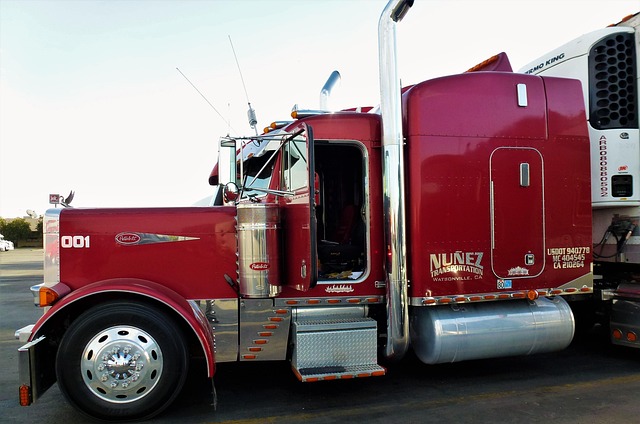
Maintaining your registered vehicle involves more than just annual renewals; it’s a year-round process that ensures your car remains safe and legal on California’s roads. One critical aspect is regular DMV VIN verification, which checks for any discrepancies in your Vehicle Identification Number (VIN). This process, often referred to as vin inspection, is crucial as it helps identify potential issues like odometer rollback or unauthorized parts replacements, common scams that can leave you with a potentially unsafe vehicle.
For instance, California’s Department of Motor Vehicles (DMV) offers several methods for DMV VIN verification, including both in-person visits and digital solutions. Utilizing mobile vin verification tools is becoming increasingly popular; these apps and services allow drivers to quickly and conveniently check their vehicle history from the comfort of their homes or while on the go. This modern approach streamlines the process, making it more accessible than ever before. Data shows that hundreds of thousands of Californians have taken advantage of these mobile verifiers, leading to a notable decrease in fraudulent activities.
To ensure optimal protection, consider incorporating mobile vin verifier apps into your routine vehicle maintenance schedule. These tools not only verify your VIN but can also provide detailed vehicle history reports, including recall information and previous ownership records. Regular vin inspection is not just about compliance; it’s a proactive step towards safe and reliable driving. By staying on top of these checks, you contribute to California’s overall road safety, ensuring that every vehicle on the road meets the necessary standards.
By following these comprehensive steps, from preparing essential documents to conducting a crucial DMV VIN verification, you can seamlessly navigate the process of registering your car in California. Understanding the fees, maintaining your vehicle’s records, and staying informed about key requirements ensure a smooth experience. This guide empowers you with the knowledge to confidently manage your vehicle registration, leveraging the authority of California’s DMV procedures for a precise and efficient outcome.