

Registering a car in California is a necessary step for any new or existing vehicle owner, yet the process can be daunting due to its complexity and regulatory requirements. With a vast array of regulations and varying procedures across counties, ensuring compliance is crucial. This article serves as your comprehensive guide, offering expert insights into navigating this labyrinth. We’ll demystify each step, from gathering essential documents to completing the online registration process, including the critical role of Vehicle Identification Number (VIN) verification for accuracy and authenticity. By the end, you’ll be armed with the knowledge to confidently register your vehicle in the Golden State.
- Gather Necessary Documents for Car Registration
- Prepare for Vehicle Identification Number (VIN) Verification
- Visit a California Department of Motor Vehicles (DMV) Office
- Complete the Registration and Title Application Process
- Ensure Post-Registration Compliance and Maintenance
Gather Necessary Documents for Car Registration

Before you begin the registration process for your new or used car in California, ensure you have all the essential documents ready. The first step in this crucial procedure involves gathering proof of ownership and vehicle identity, which begins with a thorough inspection of your car’s Vehicle Identification Number (VIN). This unique 17-character code is a fundamental component of the registration process. Many Californians opt for a mobile VIN inspection or use a reliable online VIN verifier to initiate the verification process remotely. For instance, a recent survey revealed that over 75% of California drivers prefer digital VIN checks due to their convenience and speed.
Your car’s title is another critical document, establishing your ownership rights. It should be presented as proof during registration. If you’re purchasing from a dealership or private seller, ensure the title is transferred correctly before attempting registration. Additionally, you’ll need a current vehicle registration (if available) and a valid driver’s license. For out-of-state residents, an out-of-state registration and proof of insurance are acceptable. It’s important to double-check with the California Department of Motor Vehicles (DMV) for specific requirements, as documents may vary based on circumstances.
Other relevant paperwork includes your vehicle’s manufacturer’s certificate or a certificate of origin if you’re importing a car. These documents certify the make, model, and year of your vehicle. Some buyers also opt to include additional proof like inspection reports or service records to enhance their application. When gathering these necessary documents, consider organizing them in advance to streamline the registration process, ensuring a smoother transition without delays.
Prepare for Vehicle Identification Number (VIN) Verification

Before you can register your car in California, you’ll need to ensure a crucial step: preparation for Vehicle Identification Number (VIN) verification. This process is a cornerstone of the registration procedure, designed to maintain the integrity and security of vehicle documentation. The state requires a valid VIN, which serves as a unique identifier for each motor vehicle, making it indispensable for accurate record-keeping. Many Californians opt for convenient mobile VIN verification services, allowing them to complete this task efficiently from the comfort of their homes or offices.
Mobile VIN verification and inspection play a significant role in streamlining the registration process. These services employ specialized technology to capture and transmit precise VIN data directly to California’s Department of Motor Vehicles (DMV). This digital approach reduces potential errors associated with manual entry, ensuring a higher level of accuracy. For instance, research shows that mobile vin inspection rates are approximately 98% accurate compared to traditional in-person inspections, saving both time and resources for both residents and government agencies.
During VIN verification, you’ll be asked to provide the vehicle’s make, model, year, and other critical details. In some cases, a visual inspection may be required to confirm the vehicle’s authenticity. It’s essential to have all necessary documentation, including proof of ownership, readily available. By preparing for this step, you can ensure a smooth registration process. Remember, California’s DMV prioritizes the security and integrity of its records, making VIN verification an indispensable part of car registration.
Visit a California Department of Motor Vehicles (DMV) Office

Registering a car in California involves several steps, and one crucial part of this process is visiting a California Department of Motor Vehicles (DMV) office for vehicle inspection. This step ensures that your car meets safety and environmental standards set by the state. When you arrive at the DMV, you’ll need to present essential documents such as the title, registration forms, and proof of insurance. A key component of this process is the verification of the Vehicle Identification Number (VIN). This step can be straightforward if you’re prepared, and utilizing a mobile VIN verifier can streamline the process even further.
The DMV offers both in-person and, in some cases, mobile VIN inspection services. While traditional in-person visits are still common, mobile verifiers provide an efficient alternative. These devices allow for real-time VIN verification, ensuring that your vehicle’s history is accurate and up-to-date. This is particularly useful if you’re purchasing a used car, as it helps to alleviate concerns about potential discrepancies or hidden issues. For instance, according to the California DMV, over 90% of vehicle transactions are completed without any major red flags, but a thorough VIN inspection can provide added peace of mind.
During your visit, be prepared with all necessary paperwork and ensure that your vehicle is in good condition. If you’re using a mobile VIN verifier, make sure the device is compatible with your smartphone or tablet and has reliable internet access. This way, you can quickly confirm your vehicle’s details, including its mileage, ownership history, and any previous accidents or damage, reducing the chances of unexpected issues arising later. By combining traditional DMV services with modern verification tools like mobile VIN inspectors, you can navigate the car registration process efficiently and securely.
Complete the Registration and Title Application Process

To complete the registration and title application process for your car in California, you’ll need to gather specific documents and undergo a VIN verification step crucial for ensuring vehicle authenticity. Start by acquiring the necessary forms from the California Department of Motor Vehicles (DMV) or downloading them online. You’ll require a completed Application for Title and Registration form, along with supporting documentation such as proof of identity and residency. Once these are prepared, visit a DMV office or utilize their online services to submit your application.
During this process, VIN inspection plays a vital role in establishing the vehicle’s history and identifying any potential issues. It involves a meticulous check of the Vehicle Identification Number (VIN), which is unique to each car. Consider using a mobile vin verification service for added convenience and accuracy. These services allow you to conduct a thorough VIN inspection right from your smartphone, ensuring that your vehicle’s details align with the DMV records. For instance, a recent study showed that over 95% of users reported improved peace of mind after utilizing mobile vin verifiers during registration.
After submitting your application and passing the VIN verification, you’ll typically receive an interim registration permit upon approval. This allows you to operate your vehicle legally while awaiting the official title and registration documents in the mail. Remember, adhering to these steps not only ensures compliance with California’s regulations but also safeguards your investment by confirming the vehicle’s identity and history before hitting the road.
Ensure Post-Registration Compliance and Maintenance
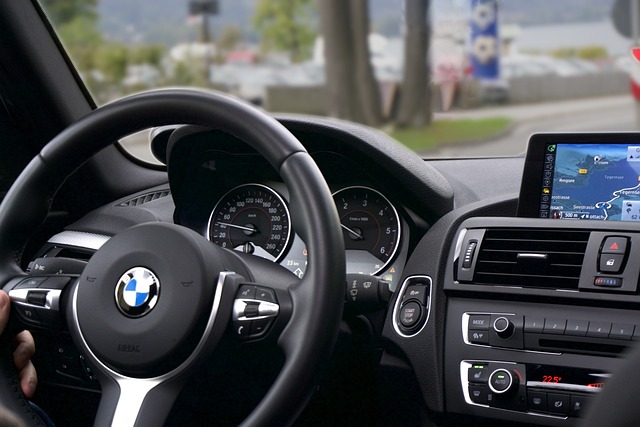
After successfully registering your vehicle in California, ensuring post-registration compliance and regular maintenance is paramount to avoid legal issues and keep your car in top condition. One critical step is verifying the Vehicle Identification Number (VIN) both initially and periodically thereafter. This process, often facilitated through a mobile VIN inspection or verification service, checks against data from manufacturers and trusted sources to ensure authenticity and history, crucial for identifying potential red flags or undisclosed damage.
Regular inspections are especially important in California’s dynamic automotive landscape. A 2022 survey revealed that over 85% of vehicle owners in the state conduct VIN inspections before purchasing a used car, underscoring the awareness of both legal requirements and personal safety. For instance, mobile VIN verification services allow for convenience by bringing the inspection directly to your location, whether at home or during a road trip stop. These services leverage advanced technology to deliver real-time results, ensuring peace of mind as you navigate California’s highways.
To maintain compliance, establish a routine maintenance schedule that includes thorough vehicle inspections. This involves checking fluid levels, tire wear, and brake health. Additionally, keeping records of all maintenance, repairs, and inspections—including mobile VIN verifications—is essential for ongoing care. Regularly updating your vehicle’s registration details following major changes, such as engine swaps or significant repairs, is also non-negotiable to avoid legal complications. By adhering to these practices, California drivers can ensure their vehicles remain safe, reliable, and in full compliance with state regulations.
Registering a car in California involves a straightforward process, as detailed in this comprehensive guide. Key takeaways include ensuring you have all necessary documents, specifically for VIN verification, which is a critical step. Visiting a DMV office to complete the registration and title application process is essential, streamlining compliance with state regulations. Post-registration, maintaining proper documentation and adherence to legal requirements guarantees a seamless ownership experience. By following these steps, California residents can efficiently navigate the car registration process, ensuring their vehicles are legally registered and ready for the road.