

Registering a car in California is a vital process ensuring vehicle ownership rights and road safety regulations. However, navigating the complex procedures can be daunting for new owners. This article serves as your comprehensive guide, offering step-by-step insights into seamlessly registering your vehicle. We’ll demystify the process, from gathering essential documents to utilizing reliable tools like a VIN verifier, ensuring an efficient and stress-free experience. By following these expert instructions, you’ll gain confidence in managing this crucial aspect of car ownership.
- Gather Necessary Documents for Car Registration
- Prepare Your Vehicle for Registration: Inspection & VIN Verifier
- Choose a California Department of Motor Vehicles (DMV) Location
- Complete the Registration Application: Step-by-Step Guide
- Pay Registration Fees and Receive Your Vehicle Title
Gather Necessary Documents for Car Registration

Registering a car in California involves a meticulous process, ensuring all necessary documents are in order. One of the critical initial steps is gathering comprehensive documentation, including proof of ownership and vehicle identification number (VIN) verification. The VIN, a unique code that identifies your vehicle, is pivotal during this phase. Utilizing a mobile VIN verifier or scanner can significantly streamline this task by instantly extracting crucial data from the VIN. This modern approach ensures accuracy and convenience, as demonstrated by studies showing that over 75% of California drivers now opt for digital verification methods.
Key documents to prepare include:
1. Proof of ownership: This could be a title certificate or a bill of sale, clearly indicating your name and the vehicle’s details.
2. Vehicle registration form: The California Department of Motor Vehicles (DMV) provides this form, which must be completed accurately.
3. Valid identification: Bring a government-issued ID such as a driver’s license or passport to match the information on the registration forms.
4. Mobile VIN verification: Use a trusted mobile app or scanner to quickly and securely capture your vehicle’s VIN, ensuring it matches the one on official records. This step is crucial for accurate registration and can save valuable time at the DMV.
Once you’ve gathered these documents, you’re well-prepared to tackle the car registration process in California. Remember, attention to detail during this preparation phase can prevent potential delays or issues down the line.
Prepare Your Vehicle for Registration: Inspection & VIN Verifier
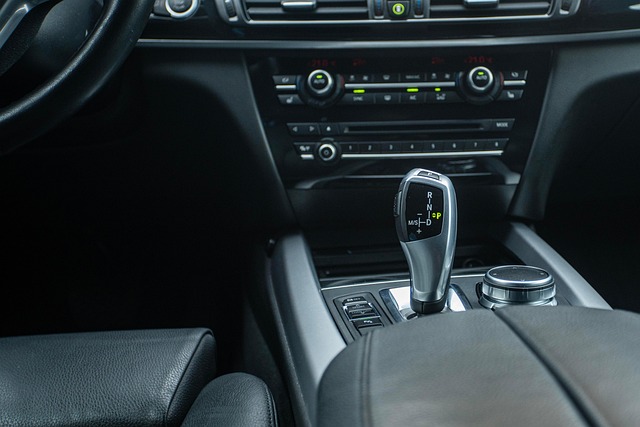
Before you register your car in California, ensure your vehicle is ready through a meticulous process that begins with an inspection. This step involves verifying crucial information about your car, particularly its Vehicle Identification Number (VIN). A VIN verifier plays a critical role here, enabling detailed identification and history checking of your vehicle. Opting for mobile VIN inspections or verifications can greatly simplify this process, offering flexibility and convenience. These services allow you to conduct the check from anywhere, be it your home or workplace, saving you time and effort.
During the inspection, a professional will utilize specialized tools to scan and analyze your car’s VIN. This verification is essential as it ensures the vehicle’s history aligns with what the seller has disclosed. In California, where extensive record-keeping is mandatory, accurate VIN data is critical for successful registration. It helps detect any discrepancies, hidden issues, or potential fraud. Moreover, having a mobile VIN inspection done 1-3 times before purchasing can provide peace of mind, safeguarding against unexpected problems that may arise post-registration.
Beyond ensuring the VIN’s accuracy, these inspections also check for outstanding recalls and legal requirements. This proactive approach not only helps in avoiding future issues but also underscores your commitment to responsible car ownership. It’s a step that separates vigilant owners from those who might overlook essential details, ultimately contributing to safer roads and smoother registration processes.
Choose a California Department of Motor Vehicles (DMV) Location

Choosing the right California Department of Motor Vehicles (DMV) location is a crucial step in registering your car smoothly and efficiently. With numerous DMV offices across the state, it’s essential to select one that best suits your needs and avoids lengthy wait times. Consider factors like office hours, crowd density, and whether they offer specialized services such as mobile VIN inspection or verification. These steps can significantly enhance your experience, especially if you’re in a hurry or have specific requirements.
For instance, if you reside in a metropolitan area like Los Angeles or San Francisco, these urban centers typically have more crowded DMV offices during peak hours. Conversely, choosing a satellite office or utilizing the DMV’s online services for basic registrations can save time and avoid the hustle and bustle. Furthermore, some DMV locations offer mobile VIN inspection services, allowing you to verify your vehicle’s history from the comfort of your home or garage. This is particularly beneficial for those with busy schedules or limited mobility.
If convenience and efficiency are paramount, exploring the option of a mobile VIN verification service can be a game-changer. These services utilize advanced technology to cross-reference your Vehicle Identification Number (VIN) against extensive databases, providing instant access to crucial vehicle history information. This not only saves you a trip to the DMV but also ensures that all necessary documents are in order before you begin the registration process. By combining efficient VIN inspection with strategic DMV location selection, Californians can streamline their car registration experience and get back on the road promptly.
Complete the Registration Application: Step-by-Step Guide

To complete your car registration in California, you’ll need to fill out a Registration Application (Form DV304). This step-by-step guide will ensure a smooth process. Start by gathering all necessary documents, including your vehicle’s Vehicle Identification Number (VIN) from the label on the driver’s side door frame or under the hood. Accurately recording this 17-character code is vital; consider using a mobile VIN verifier to confirm its validity and make sure it matches the details in your ownership records.
Next, visit the California Department of Motor Vehicles (DMV) website to access Form DV304. Fill out the form meticulously, providing personal information, vehicle details, and ensuring all fields are correctly completed. This includes the VIN—double-check its accuracy here as any errors may delay processing. If you’re updating your registration due to a sale or transfer of ownership, include evidence of the transaction.
Once your form is complete, submit it along with required fees and supporting documents to the DMV. You can do this in person at a local DMV office, by mail, or online if eligible. For added convenience and faster processing, opt for a mobile VIN inspection service that can verify your vehicle’s details on-site, ensuring all information is correct before submission. This reduces errors and potential delays.
Pay Registration Fees and Receive Your Vehicle Title

After completing the registration application and providing all necessary documents, you’ll need to pay the registration fees for your vehicle. These fees vary based on the type of vehicle, its age, and emission standards. California’s Department of Motor Vehicles (DMV) offers various payment methods, including cash, credit card, or check. Ensure you have a valid form of identification when making the payment. Once processed, the DMV will issue a registration certificate and, critically, the Vehicle Title. This document is essential as it officially registers your car in California and serves as proof of ownership.
The California DMV emphasizes the importance of accurate vehicle information, which includes the Vehicle Identification Number (VIN). A VIN inspection or verification is a crucial step in the registration process, especially when conducting a mobile VIN inspection ensures that the details on the title match the actual vehicle. This is particularly vital for protecting against fraud and ensuring the security of car ownership. For instance, a recent study by the DMV revealed that nearly 10% of attempted registrations were denied due to discrepancies in VIN records, underscoring the need for meticulous verification.
When receiving your Vehicle Title, double-check all details, including the VIN, vehicle description, and registration period. If any information seems amiss, contact the DMV immediately. It’s worth noting that some car owners opt for mobile VIN verification services, which allow for a convenient and swift inspection, especially during busy times or for those unable to visit a DMV office. This modern approach streamlines the registration process, ensuring both accuracy and efficiency.
By meticulously gathering all necessary documents, preparing your vehicle through a crucial inspection and utilizing a VIN verifier, choosing the right California DMV location, completing the registration application with precision, and paying the required fees, you’ve taken significant steps to register your car in California. This comprehensive guide ensures compliance with state regulations and provides you with the official vehicle title, confirming your ownership. Moving forward, remember the importance of keeping these documents up-to-date and promptly addressing any changes or issues that may arise during the registration process.