

Registering a car in California is a vital process for any vehicle owner, ensuring legal compliance and access to public roads. However, navigating the administrative procedures can be a daunting task, especially with evolving regulations. This comprehensive guide aims to demystify the process, offering step-by-step instructions tailored to California’s unique requirements. We’ll delve into the essentials, including the role of the Department of Motor Vehicles (DMV), necessary documents, and even highlight the importance of VIN verification for accurate record-keeping and vehicle history transparency.
- Gather Required Documents for Car Registration in California
- Choose an Appropriate Vehicle Registration Class
- Perform VIN Verification: A Crucial Step Before Registration
- Complete the California Vehicle Registration Application
- Submit and Pay for Your Car Registration
Gather Required Documents for Car Registration in California

Registering a car in California involves a series of steps designed to ensure vehicle safety and ownership verification. A critical component of this process is gathering the necessary documents. This step often proves challenging for many new car owners due to the complex nature of required paperwork. Therefore, understanding what documents you need and how to obtain them efficiently is paramount.
Central to your preparation is ensuring accurate Vehicle Identification Number (VIN) verification. In California, a mobile VIN verifier or mobile VIN inspection can significantly streamline this process. These services allow you to have your vehicle’s VIN checked remotely by an authorized official, saving time and effort. For instance, many counties in California offer online platforms where you can schedule a mobile VIN verification appointment with a licensed inspector who will visit your location. This approach is particularly beneficial for those who recently purchased a used car, as it provides a reliable method to validate the vehicle’s history and condition.
Other essential documents include proof of insurance, your driver’s license or state ID, and the Certificate of Title (or Notice of Purchase if you’ve not yet received the title). It’s crucial to check with your local Department of Motor Vehicles (DMV) office to confirm any additional requirements. For example, in some cases, proof of residency or a smog certificate might be demanded. Having these documents ready before visiting the DMV ensures a smoother registration process and minimizes potential delays. Additionally, consider keeping digital copies of all important paperwork for easy reference and future reference.
Choose an Appropriate Vehicle Registration Class

Choosing the correct vehicle registration class is a critical step in registering your car in California. The state’s Department of Motor Vehicles (DMV) categorizes vehicles into several classes based on factors like size, weight, use, and environmental impact. Misclassifying your vehicle can lead to fines or registration denial. For example, if you register a large SUV as a compact car, you might be subject to additional emissions testing and higher fees.
A key aspect in this process is ensuring accurate Vehicle Identification Number (VIN) verification. This is where mobile VIN verification services prove invaluable. Unlike traditional static inspections, mobile VIN verifiers allow for convenient, on-site checks, especially when dealing with a variety of vehicle types. These services utilize advanced technology to cross-reference your VIN against official databases, confirming the vehicle’s make, model, year, and historical ownership—a process that used to require visiting a DMV office. Now, with mobile VIN inspection, you can complete this crucial step from virtually anywhere, saving time and effort.
California offers various classes like Class A (large trucks), Class B (buses), and Class C (pickups and vans). Within these, there are subcategories based on specific criteria. For instance, within Class C, vehicles designed for commercial use but not carrying passengers fall under a different subcategory than those used for personal transportation. To choose correctly, consult the DMV’s guidelines or consider seeking expert advice from licensed registrars who can guide you through this process, ensuring compliance and minimizing potential delays.
Perform VIN Verification: A Crucial Step Before Registration

Before registering your car in California, performing a Vehicle Identification Number (VIN) verification is an essential step that cannot be overlooked. This process ensures that the vehicle’s history aligns with what the seller claims, helping to prevent fraud and ensuring you’re making an informed decision. A VIN inspection involves a thorough check of the unique 17-character code to uncover crucial information about the car’s past, including its original manufacturer, model year, assembly plant, and specific features. In California, this is often done through a mobile vin verifier, which offers convenience and accuracy in one go.
Not all VIN verifications are created equal. Some services may only provide basic data while others, like those offered by certified inspectors or advanced mobile vin verification apps, deliver comprehensive reports. These detailed reports can reveal any accident history, outstanding recalls, previous ownership details, and even odometer rollbacks—all vital insights that could impact your decision to purchase. For instance, a 2015 study found that about 6% of vehicles had some form of reported issue, underscoring the importance of thorough VIN inspection.
To perform this verification, you’ll need the vehicle’s VIN and access to a reliable mobile vin verifier. Many reputable services offer this through user-friendly apps or online platforms. Simply enter the VIN, follow the prompts, and within minutes, you’ll have access to detailed information. If discrepancies are found during the vin inspection, it could be an indication of potential issues that require further investigation before proceeding with registration. Taking this crucial step ensures a smoother car registration process in California and provides peace of mind as you become the new owner of your vehicle.
Complete the California Vehicle Registration Application
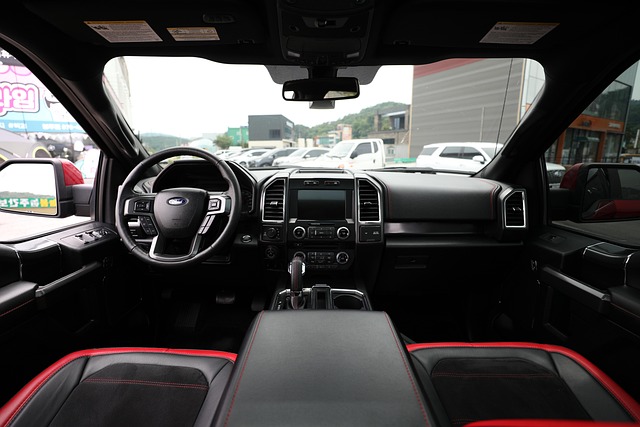
Completing the California Vehicle Registration Application is a crucial step in the registration process. Before you begin, ensure you have gathered all necessary documents, including your vehicle’s title, proof of insurance, and a valid driver’s license. The application requires accurate and up-to-date information, so double-check details like your name, address, and the vehicle’s make, model, and year. One key aspect of this process involves VIN (Vehicle Identification Number) verification, which can be efficiently handled with a mobile VIN verifier. This technology allows for a quick and accurate check, ensuring the VIN is valid and associated with the correct vehicle.
The California Vehicle Registration Application typically includes sections for identifying your vehicle, your personal information, and payment details. Here, you’ll input the VIN, which is a unique code that identifies your car. Using a mobile VIN inspection app, you can scan the VIN and verify it with the state database. This step is essential for preventing fraud and ensuring the accuracy of the registration. For instance, the California Department of Motor Vehicles (DMV) provides online resources and tools to facilitate this process, making it more accessible and efficient.
When filling out the application, clarity and precision are paramount. If you encounter any issues or have questions, don’t hesitate to reach out to the DMV for guidance. They offer various support channels, including phone lines and online chat, to assist you. Remember, an accurate VIN verification is a cornerstone of the registration process. By utilizing modern tools like mobile VIN verifiers, you can streamline this task and ensure your vehicle’s registration is processed smoothly.
Submit and Pay for Your Car Registration

Submitting and paying for your car registration is a crucial step in ensuring your vehicle is legally recognized on California’s roads. After gathering all necessary documents and confirming your vehicle’s information, including its unique Vehicle Identification Number (VIN), it’s time to proceed with the registration process. This involves submitting an application form along with the required fees. You can do this either online or at a local Department of Motor Vehicles (DMV) office.
One convenient option is to utilize mobile VIN inspection and verification services, which streamline the process by allowing you to enter your VIN into a specialized database. This digital verification ensures the vehicle’s details match those on record, accelerating the registration. For instance, some providers offer real-time data access, confirming the vehicle’s history and ensuring it meets all legal standards, such as emissions compliance. If discrepancies are found during this process, they can be addressed immediately, preventing potential delays or issues down the line.
When submitting your application, ensure all information is accurate and complete to avoid processing delays. This includes providing proof of insurance, vehicle ownership, and identification. Additionally, be prepared to pay the registration fee, which varies based on your vehicle’s type and age. California offers various payment methods, typically including cash, credit cards, or checks. After successful submission and payment, you’ll receive your registered vehicle papers, officially making your car roadworthy within the state.
Registering a car in California involves a straightforward process, but paying close attention to detail is crucial. Key insights include ensuring you have all required documents, selecting the correct vehicle registration class based on your car’s type and use, and completing a vital step of VIN verification before applying. By following these steps meticulously—from gathering necessary paperwork to performing critical VIN verification—you’ll ensure a smooth registration process. This comprehensive guide equips you with the knowledge to navigate California’s car registration requirements confidently, setting a strong foundation for ownership.