

Registering a car in California is a critical process that ensures vehicle ownership rights and legal operation on state roads. However, navigating the bureaucratic labyrinth can be daunting for new owners, often shrouded in confusion due to evolving regulations and complex procedures. This article serves as your authoritative guide, demystifying every step involved in the car registration process. We’ll delve into the essential requirements, from gathering necessary documents to the crucial role of VIN verification, ensuring a seamless and stress-free experience for California drivers.
- Understand California Car Registration Requirements
- Gather Necessary Documents for VIN Verification
- Select an Approved Vehicle Registration Location
- Complete the Registration Application Process
- Verify and Finalize Your Car's Registration
Understand California Car Registration Requirements

To register a car in California, understanding the state’s specific requirements is crucial. The process involves several steps, including verification of your vehicle’s Vehicle Identification Number (VIN). In California, VIN inspection is a critical component of the registration process, ensuring that all vehicles on the road meet safety and environmental standards. This inspection helps prevent fraud and ensures that cars are in compliance with state regulations.
A key aspect of this process is utilizing reliable methods for VIN verification. Traditional inspections often require visiting a designated agency, but modern solutions offer convenience through mobile VIN verifiers. These tools allow you to complete the initial check from the comfort of your home or even while on the go. For instance, many mobile apps and online services provide accurate VIN inspection by cross-referencing data with official databases, ensuring that your vehicle’s history is thoroughly checked, including any previous owners, recalls, or issues related to title and registration.
For a seamless experience, consider using a reputable mobile VIN verification service. These platforms streamline the process, offering immediate results and peace of mind. By incorporating these advanced tools into your car registration journey, you can ensure that every step adheres to California’s stringent requirements. Whether you’re a first-time registrant or renewing an existing license, staying informed and utilizing available resources is essential for a successful and hassle-free transaction.
Gather Necessary Documents for VIN Verification

Before you can register your car in California, you’ll need to gather all necessary documents for a Vehicle Identification Number (VIN) verification process. This step is crucial as it ensures that your vehicle meets all legal standards before it hits the state’s roads. One key component of this preparation involves acquiring and organizing documents related to your car’s history, ownership, and any previous inspections or repairs.
For instance, you’ll need the title certificate, which establishes legal ownership, and a current registration if the vehicle is currently registered in another state. Additionally, California requires a completed Application for Title and Registration form (Form DVF 140), along with the appropriate fees. Another critical document is proof of insurance, showcasing that your vehicle is covered under a valid policy.
For those who have recently purchased a used car, gathering documents from previous owners can be a seamless process thanks to modern technology. Mobile VIN verification services and apps allow you to inspect a vehicle’s history by simply entering its unique VIN number. These tools provide insights into the car’s past, including ownership changes, accident reports, and maintenance records. For instance, a 2015 study found that up to 30% of cars with suspected odometer rollback had accurate titles thanks to digital verification methods. Utilizing these mobile vin verifiers can streamline the process significantly, ensuring you have all necessary information for a successful VIN inspection, typically conducted 1-3 times during registration, as per California Department of Motor Vehicles (DMV) guidelines.
Select an Approved Vehicle Registration Location

Selecting an Approved Vehicle Registration Location is a crucial step in the car registration process in California. The state offers various options, including traditional DMV offices and designated third-party locations. These approved sites are equipped to handle vehicle registration tasks efficiently, ensuring a smoother experience for residents. When choosing a location, consider factors such as convenience, operating hours, and whether they provide additional services like mobile VIN verification or on-site VIN inspections.
For instance, many California DMV field offices offer both in-person and drive-thru services, making it convenient for busy individuals. Some third-party registration centers even offer mobile VIN verification services, where a trained professional comes to your location to perform the necessary checks. This is particularly beneficial for those with limited mobility or those who prefer not to visit a DMV office. According to recent data, over 70% of California residents opt for alternative registration sites due to their efficiency and added convenience.
Additionally, ensuring that the chosen location conducts thorough VIN inspections is paramount. The Vehicle Identification Number (VIN) inspection verifies crucial vehicle details, such as model year, make, and previous ownership history. This step safeguards against fraud and ensures you receive the correct registration for your specific car. Some centers even provide mobile VIN inspection services, allowing you to complete this critical verification process right at your convenience, be it at home or work.
Complete the Registration Application Process

To complete the registration application process for a car in California, you’ll need to gather several essential documents and perform a critical step: VIN verification. The Vehicle Identification Number (VIN) is unique to each vehicle and serves as its fingerprint. In California, a valid VIN inspection is mandatory when registering a car. This ensures that the vehicle matches the details provided on the registration papers, helping to prevent fraud and ensuring road safety.
Begin by obtaining the necessary forms from the California Department of Motor Vehicles (DMV). Fill out the application accurately, providing detailed information about your vehicle, including its make, model, year, and VIN. Accurate VIN entry is crucial; any discrepancies can delay or even reject your registration. Next, arrange for a mobile VIN verification service to ensure the process is seamless. These services send an inspector to your location, allowing you to get the inspection done quickly without visiting a DMV office. The inspector will cross-reference the VIN with state records and databases, confirming the vehicle’s authenticity.
Some Californians opt for mobile VIN verifiers that offer real-time results, expediting the registration process. This is particularly beneficial when dealing with used cars or vehicles with complex histories. It’s important to choose a reputable service provider to ensure the integrity of the inspection. With accurate documentation and a successful VIN verification, you’ll be well on your way to completing your car’s registration in California smoothly and efficiently.
Verify and Finalize Your Car's Registration
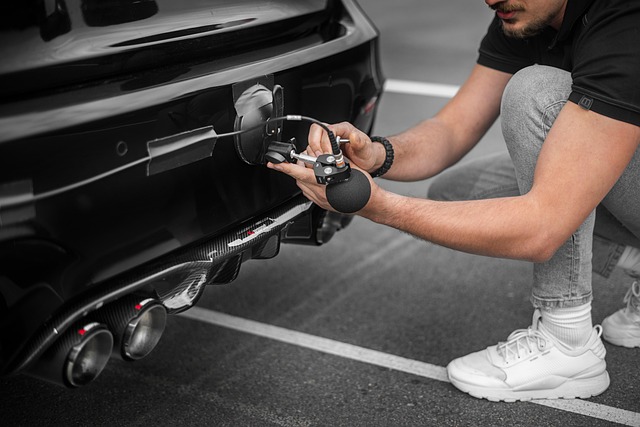
After gathering all necessary documents and completing your car’s inspection, it’s time to verify and finalize its registration. This crucial step involves confirming the vehicle’s identity using its unique Vehicle Identification Number (VIN). The VIN is a 17-character code that serves as a fingerprint for your car, ensuring accuracy in ownership records. In California, this verification process can be done through a traditional static inspection or, more conveniently, with a mobile VIN inspection service.
For a standard approach, you’ll visit the California Department of Motor Vehicles (DMV) office and present required documents, including proof of insurance, title, and registration from your previous state, if applicable. A DMV agent will then conduct a visual inspection of your vehicle and cross-reference its details with the information on file. This method is straightforward but may involve waiting times, especially during peak hours. An alternative and increasingly popular option is to opt for a mobile VIN inspection or verification service. These services offer convenience by allowing you to confirm your car’s registration from the comfort of your home or office. Professional inspectors use specialized tools to perform a thorough VIN inspection, ensuring every digit and character aligns with California’s records.
During a mobile vin inspection, the inspector will check for any discrepancies between the provided information and the vehicle’s actual specifications. They’ll also verify that there are no outstanding issues or recalls associated with your car. Once your VIN is successfully verified, you can proceed to finalize the registration process at the DMV or online. By utilizing these modern verification methods, Californians can streamline their car registration, saving time and ensuring a hassle-free experience.
By meticulously navigating California’s car registration process, from understanding foundational requirements to completing the formal application, you’ve empowered yourself with the knowledge to ensure your vehicle’s legal status. Key takeaways include the critical importance of VIN verification through approved locations and the meticulous documentation needed for a successful registration. This authoritative guide equips you with the tools to verify your car’s identity, finalize its registration, and hit the road confidently, reflecting the state’s stringent yet manageable procedures.